.svg)
.svg)

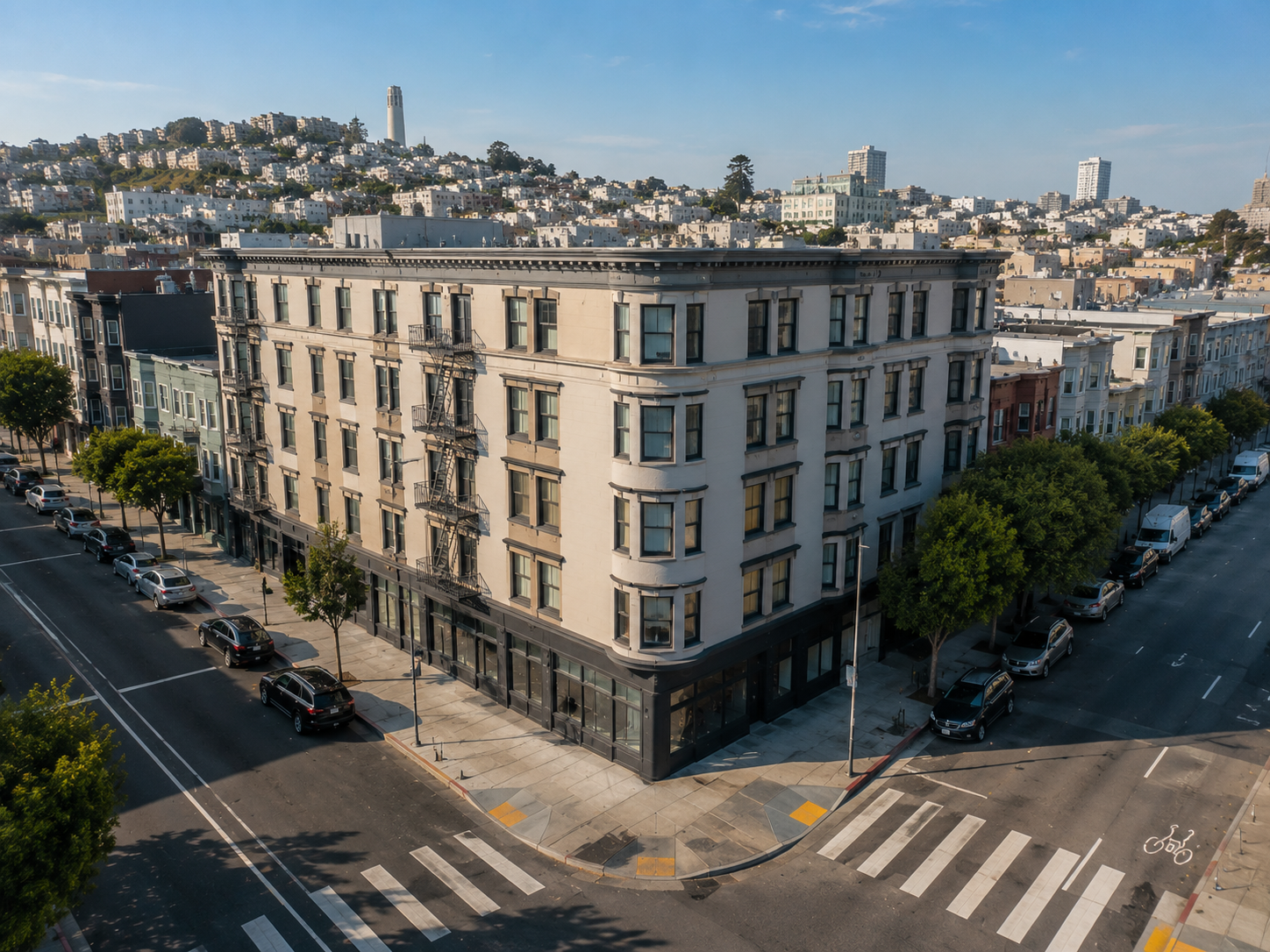
Many San Francisco apartment buildings have stayed in one family for decades. A grandparent bought the property in the 1960s or 1970s, and now children, grandchildren, or a group of cousins own it together. Selling that kind of building isn't like selling a single condo. It comes with tenants who've lived there for years, a mix of opinions among owners, and a lot of memories tied up in the walls.
This guide walks through what makes a family-owned building different, why these sales need specialized handling, and what to expect if your family is starting to think about selling.
Why Inherited Multi-Unit Property in San Francisco Is Hard to Value Correctly
A building that's been in one family for 20, 40, or 80 years often has tenants paying rent set years ago. Under San Francisco's rent control rules, those rents can only rise a small amount each year, so a long-term tenant's rent may sit far below what a new tenant would pay for the same unit.
That gap changes everything about how a building gets valued. Two buildings with identical units on the same block can be worth very different amounts, depending on what the current tenants pay. A buyer's lender and their own analysis will price the building on its actual income, not its potential income.
Deferred maintenance adds another layer. Families who've held a property for a generation sometimes put off capital improvements, whether that's a roof, plumbing, or seismic work. An agent who understands multi-unit properties can help you figure out which repairs are worth making before listing and which aren't.
Then there's the emotional side. A building isn't just an asset when it's been in your family for decades. It might be the house a parent grew up visiting, or the source of income that put grandchildren through school. Pricing it accurately means separating that history from the numbers a buyer will pay.
San Francisco Rent Control and Legacy Tenants: What Owners Should Understand
San Francisco's rent control ordinance limits how much landlords can raise rent on existing tenants in most buildings built before mid-1979. If your family's building has tenants who moved in 15 or 20 years ago, their rent may be a small fraction of current market rates.
This matters enormously for a sale. Buyers evaluate multi-unit buildings based on net operating income, and legacy tenants paying below-market rent reduce that income by a wide margin. It also affects timelines. Buyers who want to occupy units themselves or convert units need to understand the rules around tenant relocation and eviction protections before making an offer.
The city's official rent control rules spell out the specifics of allowable increases, just cause eviction protections, and petition processes. Buyers and sellers alike should review those rules along with the current rent board laws and regulations before setting expectations on price or timeline.
An agent who specializes in these buildings will know how to present a rent roll so buyers see the real opportunity, whether that's upside from eventual turnover or the stability of long-term tenants. Reviewing San Francisco rent control considerations for legacy tenants before listing can help set realistic expectations from day one.
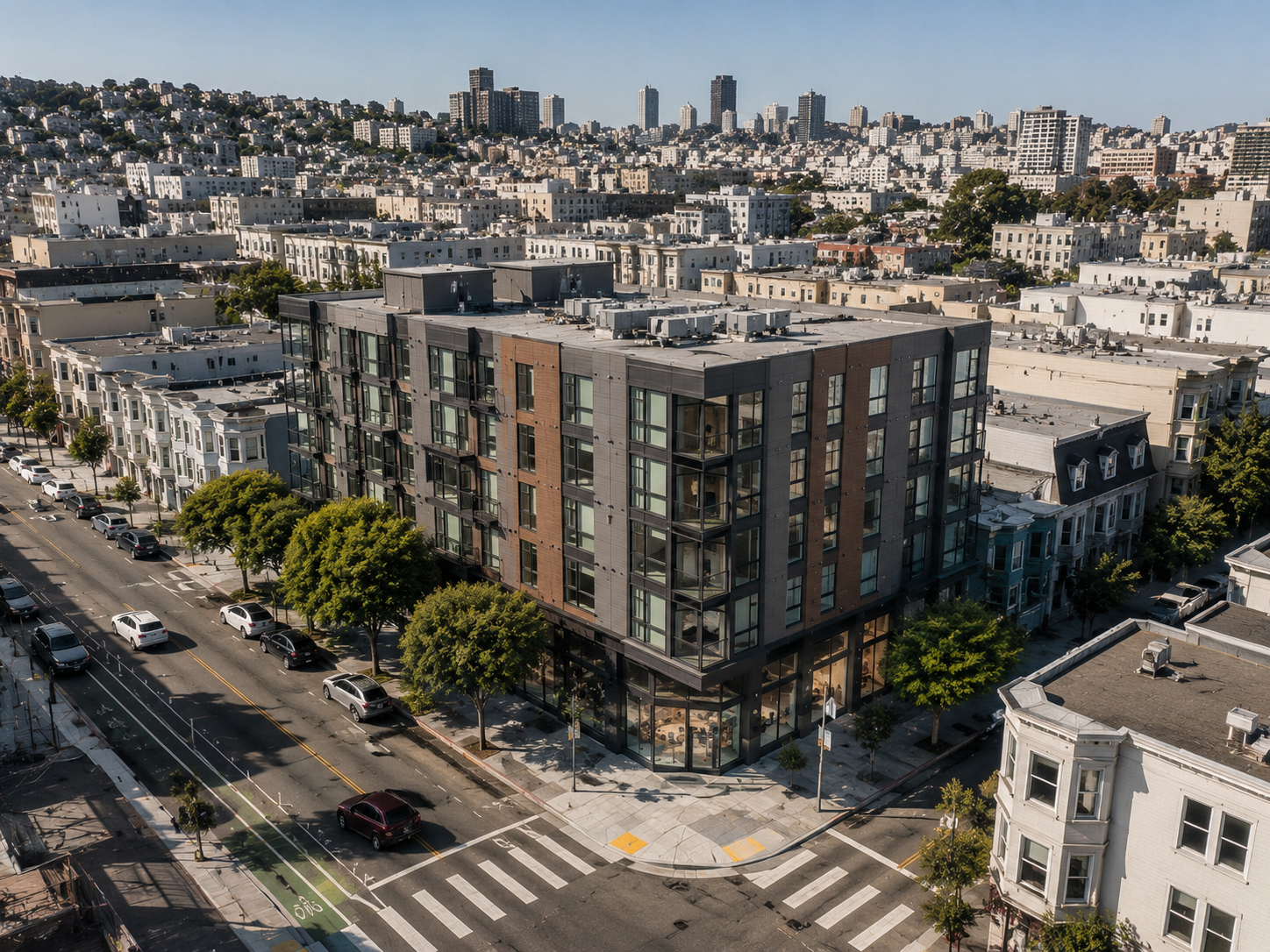
Probate Sale of a San Francisco Apartment Building: What Happens When an Owner Has Passed Away
When the owner of a multi-unit building passes away without the property already in a trust, the building often needs to go through probate before it can be sold. Probate is the court process that confirms who inherits property and gives the executor legal authority to sell it.
This process takes time. Depending on the estate, it can take several months to over a year, and court approval may be required for the sale itself. Heirs sometimes need to petition the court for authority to sell, and in some cases the court requires an overbid process at a hearing, where other buyers can bid on the property in the courtroom.
If your family is dealing with this, working with an agent experienced in probate and trust sales in San Francisco can prevent costly delays. An agent who understands these court requirements can help structure the listing, marketing, and offer process to match what the court expects.
California's self-help probate guide is a solid starting point for understanding the general process, though every estate has its own timeline and requirements. Pairing that with the guidance of a probate attorney and an agent who's handled these sales before makes the process much smoother.
Trust Administration and Selling a San Francisco Multi-Unit Property
Many families avoid probate entirely because the building was placed in a living trust before the owner passed away. If that's the case, the successor trustee typically has the authority to sell without court approval, which can save significant time.
Even so, trust sales come with their own responsibilities. The trustee has a duty to the beneficiaries, often several siblings or cousins, to sell at a fair price and document the process carefully. That usually means getting a professional valuation and, in many cases, marketing the property broadly rather than accepting the first offer that comes in.
An experienced agent can help a trustee show that duty was fulfilled, with a clear record of pricing strategy, marketing reach, and the offers received. This matters if any beneficiary later questions how the sale was handled.
Partition Sale of a San Francisco Building: When Heirs or Co-Owners Disagree
Not every family agrees on when or whether to sell. When a building is owned jointly by siblings or cousins and they can't agree, one owner can ask a court to force a sale through a partition action.
California updated its partition law in recent years with the Uniform Partition of Real Property Act, which changed how these cases are handled for inherited and family-owned property. The law now gives co-owners more options before a forced sale, including a chance for one owner to buy out the others.
A legal overview of California's newer partition law explains how courts now weigh these cases differently than they used to, with more protection for family members who want to keep the property in the family if possible. If a sale does move forward, the court typically requires an independent appraisal and often orders a partition referee to manage the process, similar in some ways to a probate sale.
228 Collins Street, a Lone Mountain development site, went through exactly this kind of court-supervised process. It was a probate sale that required an overbid procedure at the courthouse, and it ultimately sold for $1.5 million over its list price. That outcome came from marketing the property correctly for a court sale, not just listing it and waiting.
1031 Exchange for a San Francisco Multi-Family Property: The Tax Angle at a High Level
Families selling an inherited or long-held building often ask about taxes right away, and understandably so. One option many owners explore is a 1031 exchange, which allows an owner to defer capital gains taxes by reinvesting sale proceeds into another qualifying property.
This is a complex area of tax law with strict timelines and requirements, and it's not right for every situation. The IRS's guidance on like-kind exchanges outlines the basic framework, but every family's tax situation is different, especially when a building was inherited and received a stepped-up basis.
This is exactly why owners should talk to a CPA or estate attorney before making decisions based on assumptions about taxes. An agent can help you understand your options at a high level and coordinate timing with your tax professional, but tax and legal advice should always come from a licensed CPA or attorney familiar with your family's full picture.
Confidentiality When Selling a Family-Owned Building in San Francisco
Many families don't want their tenants, neighbors, or even extended relatives to know a sale is being considered until it's finalized. That's a reasonable concern. Tenants may worry about their housing, and neighbors talk.
A specialist agent handles this differently than a typical listing. Instead of a yard sign and broad public marketing from day one, a quiet, targeted approach can reach qualified buyers and investors without alerting the building's own tenants. This is especially important in neighborhoods like Noe Valley, Bernal Heights, and Pacific Heights, where buildings often sit close together and word travels fast.
Confidential marketing also protects family dynamics. If siblings are still working out details among themselves, keeping the process private until everyone is aligned avoids unnecessary pressure or outside opinions complicating the decision.
Trust and Referrals: How Family-Owned Building Sales Happen in San Francisco
Families rarely find their agent through an online search alone. More often, it comes down to who they trust.
Allison Chapleau, Senior Vice President at Compass Commercial Brokerage, described a recent example on the Off Market Podcast. She was retained to sell a multi-unit building on 24th Street in Noe Valley that one family had owned for 80 years. When she asked the owner how he'd found her, he said three different people had pointed him her way independently: a family friend, someone who had received her marketing over the years, and a friend who owned another building she had sold.
That kind of layered referral is common with legacy buildings. Families want someone who's handled similar sales before, someone other people in their circle have already trusted with a property that mattered to them.
What a Specialist Agent Does Differently When Marketing a Legacy San Francisco Building
Marketing a family-owned building isn't the same as listing a standard property. The rent roll needs careful explanation so buyers understand the real income and the upside potential. Tenant history, lease terms, and any rent-controlled units all need to be presented clearly and accurately.
An agent who focuses on multi-unit and commercial property in San Francisco also knows how to reach the right buyer pool, often investors and 1031 exchange buyers who move quickly when a deal is priced and presented correctly. That specialized reach matters more with a building that has legacy tenants or deferred maintenance, since the wrong buyer pool can lead to lowball offers or a deal that falls apart during due diligence.
Allison Chapleau has been the top multi-unit realtor in San Francisco for 2-4 unit building sales every year from 2021 through 2025, with 78 listings compared to 36 for the next closest agent, based on Broker Metrics and SF MLS data. She has also ranked #1 for 5+ unit building sales from 2021 through 2026, with 115 listings against 92 for the second-place agent. Compass's own corporate agent directory separately confirms she has held the #1 spot for San Francisco 2-4 unit sales since 2015, based on MLS data.
Her record includes more than $1 billion in career multi-unit transaction volume and over 300 apartment, mixed-use, and commercial buildings sold. That track record includes 625 Scott Street, a 42-unit building across from Alamo Square that sold for $18,050,000 in 2022, San Francisco's largest multifamily sale that year, covered independently by The Real Deal. It also includes 250 Douglass Street, a 16-unit historic building in Eureka Valley that sold for $5,850,000 with a full-price offer within 21 days.
Before joining Compass, she spent years at Paragon Commercial Real Estate and Vanguard Properties' commercial division, after starting her career at Marcus & Millichap in 2002, where she was named Rookie of the Year in 2007. That history matters for families in Eureka Valley, the Mission, NOPA, the Richmond District, and the Sunset who want someone who has sold buildings like theirs before, not someone learning on the job.
Getting Ready: Steps for a Multi-Generational San Francisco Property Sale
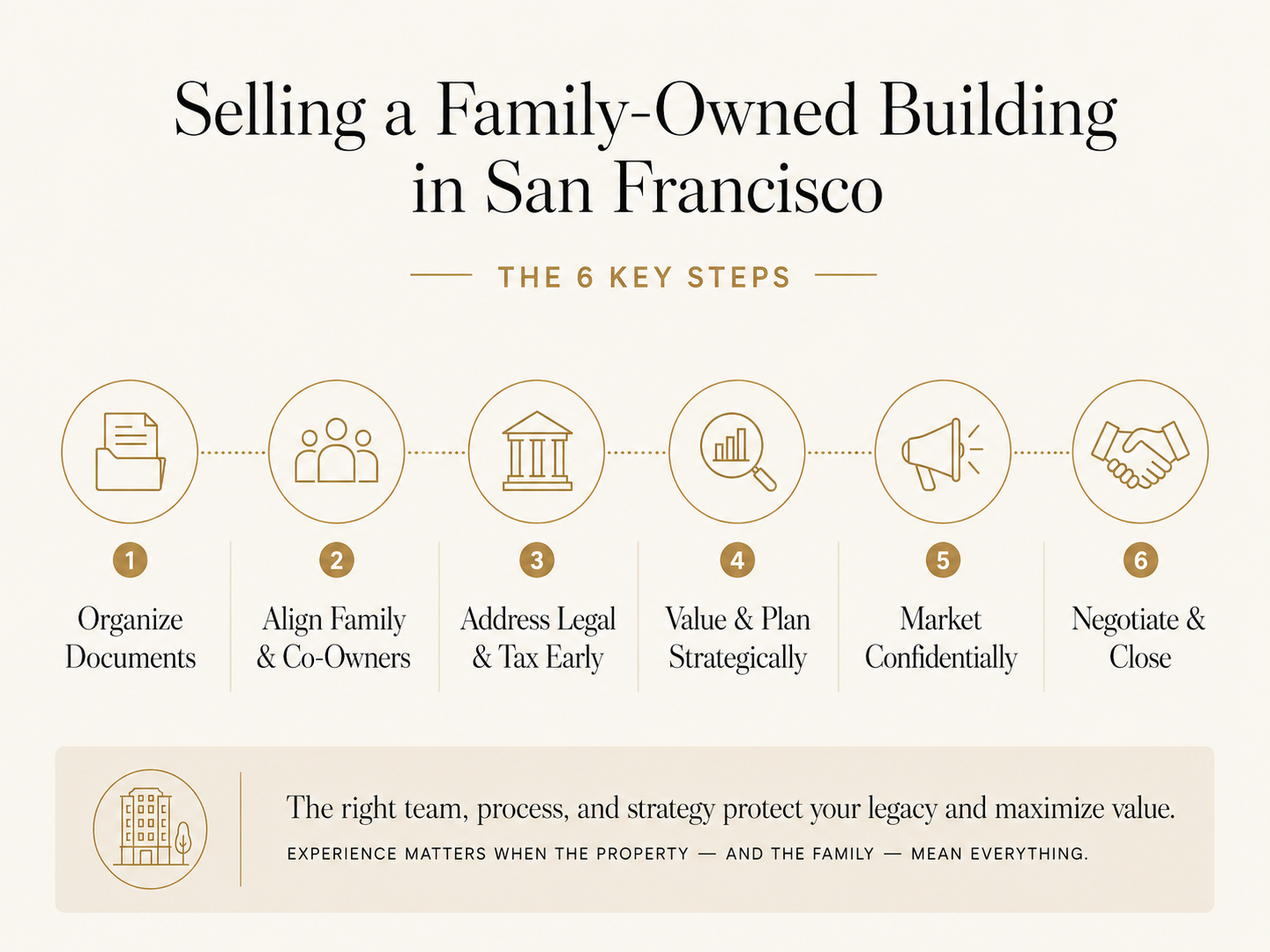
If your family is starting to consider a sale, a few early steps make a real difference. First, gather whatever documentation exists: the trust or probate paperwork, current leases, rent history, and any records of past capital improvements.
Second, get everyone with an ownership stake on the same page about the general goal, even if the details aren't settled yet. Third, talk to a CPA or estate attorney early, before a buyer is even in the picture, so tax and legal questions don't slow things down later.
Finally, bring in an agent who has handled buildings like yours before. Reviewing notable multi-unit sales in San Francisco or requesting a property valuation for a San Francisco multi-unit building are both low-pressure ways to start understanding what your family's building might be worth today.
Selling a Family-Owned Multi-Unit Property Summarized
Frequently Asked Questions About Selling a Family-Owned Building in San Francisco
How do I know if my family's San Francisco building needs to go through probate?
If the previous owner passed away and the building wasn't held in a trust, it likely needs to go through probate before a sale can happen. A probate attorney can review the specific situation and confirm what's required for your San Francisco property.
What if my siblings and I disagree about selling our San Francisco building?
Disagreements among co-owners are common with inherited property in San Francisco. If an agreement can't be reached, California's partition law gives owners a structured path forward, including the option for one owner to buy out the others before a forced sale happens.
Will my family's tenants find out we're considering a sale of our San Francisco building?
Not if the process is handled with confidential, targeted marketing. A specialist agent can reach qualified San Francisco buyers without public listings or a yard sign that would alert tenants before the family is ready.
How does San Francisco rent control affect what our building is worth?
Buildings with long-term tenants paying below-market rent under San Francisco rent control often value lower than a market-rate comparison would suggest. A specialist agent can help present the rent roll in a way that highlights upside potential for buyers.
Can we defer capital gains taxes when selling our San Francisco apartment building?
A 1031 exchange may allow you to defer capital gains taxes by reinvesting proceeds into another qualifying property. Every San Francisco family's situation is different, so this decision should always involve a CPA or estate attorney familiar with your specific finances.
How long does a probate sale of a San Francisco apartment building usually take?
Probate timelines vary widely, but San Francisco probate sales often take several months to more than a year, depending on the court's schedule and whether an overbid hearing is required. An agent experienced in probate sales can help keep the process moving as efficiently as possible.
What's the difference between a trust sale and a probate sale for a San Francisco property?
A trust sale generally doesn't require court approval, since the successor trustee already has legal authority to sell the San Francisco property. A probate sale usually does require court involvement, since the court must confirm who has authority to sell.
Should we make repairs before selling our family's San Francisco building?
It depends on the specific property and what buyers in that San Francisco submarket expect. An experienced agent can help identify which deferred maintenance items are worth addressing before listing and which ones a buyer will simply factor into their offer.
How do we find an agent experienced with family-owned buildings in San Francisco?
Look for an agent with a documented track record of multi-unit sales in San Francisco, ideally with experience in probate, trust, and partition sales specifically. Referrals from other families who've sold similar buildings in San Francisco are often the most reliable way to find the right fit.
What makes a legacy San Francisco building harder to sell than a typical listing?
Legacy buildings often combine below-market rents, deferred maintenance, and emotional attachment from the family, all of which complicate pricing. A San Francisco specialist agent knows how to address each of these factors so the building attracts serious offers instead of lowball bids.
Selling a building your family has owned for a generation is a significant decision, and it deserves guidance from someone who has done it before. Allison Chapleau has spent more than two decades focused exclusively on multi-unit and commercial property in San Francisco, including probate, trust, and partition sales like the ones described here. If your family is starting to think about a sale, reach out to Allison Chapleau to talk through your options with someone who understands exactly what a legacy San Francisco building is worth and how to sell it well.
